Understanding Neurodiversity: A Simple Guide
Neurodiversity is the concept that differences in how people's brains work, such as those associated with conditions like autism and ADHD, are natural variations rather than disorders that need to be fixed.
By Dr. Sylvester J Lim PsyD, CHt., NCAPS, MCMA
Lately, I’ve met more and more people—especially teens and young adults—who describe themselves as “neurodiverse.” Some were formally diagnosed, while others were still exploring what the term means for them. Most had spent years feeling “different,” misunderstood, or exhausted from trying to fit into spaces that didn’t quite fit them.
It got me thinking: What does it really mean to be neurodiverse? Is this just a trend – or is it something deeper, something real and meaningful?
This article is simply my take – my understanding as a psychologist, coach, and fellow human. I hope it offers a bit more clarity and compassion for anyone trying to make sense of themselves or someone they care about.
Neurodiversity is the idea that people’s brains work in different ways – and that is okay! Just like biodiversity makes nature stronger, neurodiversity makes humanity richer. Some people’s brains process information, emotions, and social cues in unique ways, and that is not a "flaw" – it is just a different way of being.
Who Is Considered Neurodiverse?
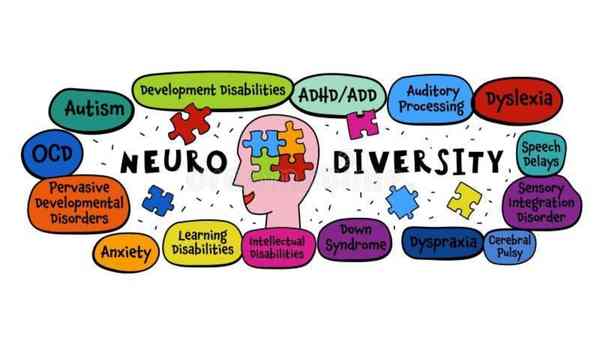
Neurodiversity includes conditions like:
- Autism (ASD)
- Attention Deficit Hyperactivity Disorder (ADHD)
- Dyslexia (differences in reading/writing)
- Dyspraxia (differences in coordination)
- Sensory Processing Differences (stronger or weaker reactions to sounds, lights, textures, etc.)
These aren’t "disorders" that need fixing – they are natural variations in human brains.
How Neurodiversity Affects Different Ages?
Children (Ages 3–12)
- May struggle with traditional school settings (e.g., sitting still, reading, or socializing in expected ways).
- Might have intense interests (e.g., dinosaurs, space, trains) and deep knowledge in those areas.
- Can be overwhelmed by sensory input (bright lights, loud noises, scratchy clothes).
How to support them:
- Let them learn in ways that work for them (movement, hands-on activities, visual aids).
- Respect their sensory needs (e.g., noise-canceling headphones, comfy clothing).
- Celebrate their strengths (creativity, problem-solving, honesty).
Adolescents (Ages 13–19)
- Often feel misunderstood by peers or teachers.
- May struggle with social rules (e.g., sarcasm, unspoken expectations).
- Might have strong emotions or anxiety due to pressure to "fit in."
How to support them:
- Help them find neurodiverse-friendly communities (clubs, online groups).
- Teach self-advocacy (how to ask for accommodations at school/work).
- Encourage their passions—many neurodiverse teens excel in art, tech, or science.
Young Adults (Ages 20–30)
- May face challenges with jobs, relationships, or independent living.
- Might burn out from trying to "act normal" in neurotypical (non-neurodiverse) spaces.
- Often thrive in flexible, creative, or tech-based careers.
How to support them:
- Encourage workplaces to offer adjustments (e.g., flexible hours, quiet workspaces).
- Normalize different communication styles (some prefer texting over calls, for example).
- Help them find mentors who are also neurodiverse.
Adults (30+)
- Many only discover they’re neurodiverse later in life (after years of feeling "different").
- May have developed coping strategies (some helpful, some exhausting).
- Often become strong self-advocates or leaders in neurodiversity awareness.
How to support them:
- Validate their experiences—late diagnosis can bring both relief and grief.
- Encourage self-acceptance (they don’t have to "mask" their true selves).
- Connect them with neurodiverse communities for support.
Key Points to Remember
Neurodiversity is natural – not a defect Everyone’s brain works differently, and that’s valuable Support looks different at each life stage, but acceptance is always key
My Invitation to You:
The world needs neurodiverse minds – innovators, deep thinkers, artists, and problem- solvers. Instead of asking neurodiverse individuals to "change," we can begin creating spaces where their unique strengths are not only accepted, but celebrated.
If this resonates with you or someone you care about – it may be worth speaking with a trusted professional for clarity, support, or simply to feel seen. Know that you are not alone in this. We are here to walk alongside you.
At NOW Wellness Centre, we honour neurodiversity as a natural and valuable expression of human difference. Rather than pathologizing traits that simply reflect a different way of thinking, feeling, or being, we focus on creating space for greater awareness, self-understanding, and empowered growth.
Our approach supports individuals in reconnecting with their strengths, needs, and sense of wholeness — on their own terms!
A more detailed exploration of this perspective will be shared in an upcoming eBook introducing the NOW Remembering Process.

A Proud Member of The Complementary Medical Association (UK)